

As part of our Climate Positive Leasing Service, Each time we lease a car or van, we contribute to Verified Carbon Standard (VCS) and Gold Standard carbon reduction projects to offset the carbon produced during the vehicle's manufacturing process. Additionally, for every electric vehicle leased, we plant 100 trees in the Lease Electric Forest, which helps remove approximately 30 tonnes of CO2 from the atmosphere for each tree.
Lease Electric has have funded various efforts aimed at renewable energy, deforestation prevention, wetland restoration, and communities around the world. To date, we have contributed to the planting of 31,674 trees and has invested in 52 projects, leading to the avoidance of 7,303.78 tonnes of CO2e. This is equivalent to 5,604 long haul flights (London to San Francisco),
July's & August's Impact
Trees Funded
Over the last two months Lease Electric have continued to fund the planting of trees in Kenya's Mau Region and Nakuru County.
Food security and poverty remain major challenges in Kenya, with around 36% of the population living below the poverty line. In the Mau Region, communities face limited access to clean water, poor infrastructure, and inadequate education facilities.
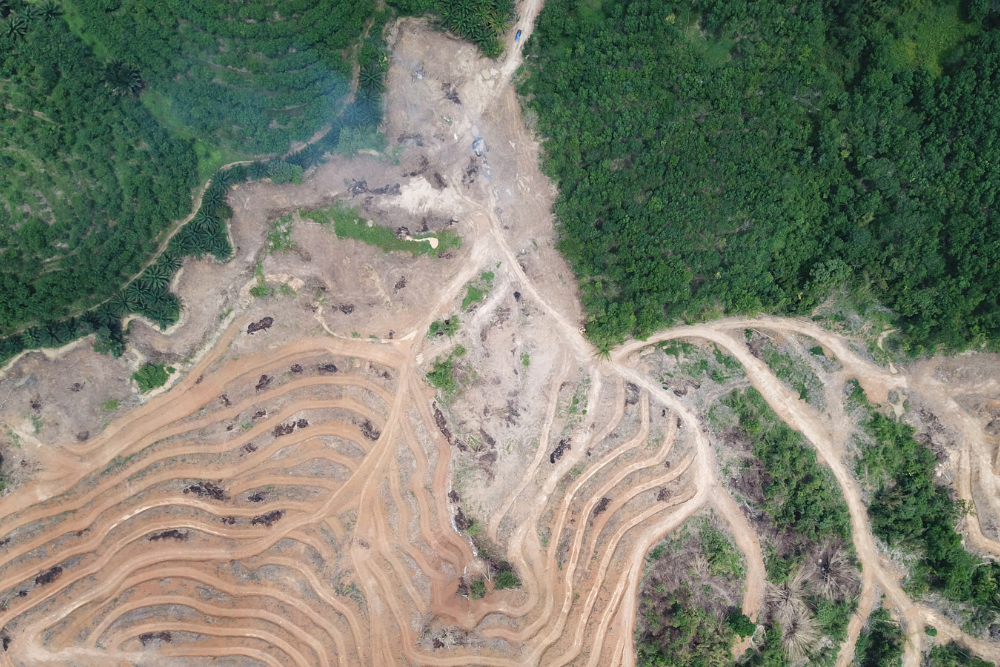
The Mau Forest, a vital water catchment feeding rivers into Lake Victoria, has been heavily degraded since the 1970s through deforestation for farming, charcoal, and grazing. Combined with recurring droughts, this has caused severe watershed damage. Kenya’s biodiversity, once a cornerstone of its tourism economy, is under threat from habitat loss, poor land-use practices, and climate change, leading to declining species and damaged ecosystems.
Dundori Forest in Nakuru County, part of the larger Mau water tower, is a Key Biodiversity Area crucial for water security and regional conservation. Its rivers feed into three major lakes, including a UNESCO World Heritage site, highlighting its importance for both people and nature.
Mau Region
In Kenya's Mau Region, Lease Electric have funded the planting of:
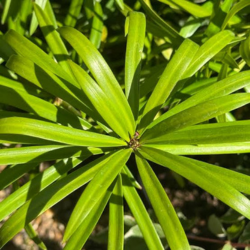
Podocarpus latifolius (Real Yellowwood) is a slow-growing, long-lived tree that enhances biodiversity by providing habitat and food for birds and insects. Its dense timber is highly valued for furniture and construction.
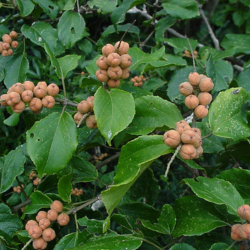
Croton megalocarpus (Forest Croton) helps improve soil quality, reduce erosion and support biodiversity through its dense canopy, glossy foliage, and nectar-rich flowers. Beyond its environmental benefits, its seeds can be processed into oil for biofuel, while the seed cake serves as protein-rich livestock feed and the husks are often used as fertilizer. Additionally, the tree’s bark is commonly utilised in traditional medicine and remedies.
Nakuru County
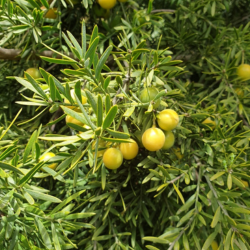
Podocarpus Falactus (Common Yellowwood) is renowned for its pale yellow wood, prized for crafting fine furniture. The bark serves in leather tanning, while the sap has been traditionally used to alleviate chest ailments. Oil extracted from its seeds or fruits is utilised in traditional medicine and remedies.
Project Supported
Through out July and August, Lease Electric continued to support the two Verified Carbon Standard, projects we had chosen in February, Protection of the Matavén forest in eastern Colombia and avoiding methane emissions from Landfill in Brazil. The team also chose to begin investing in a new project, focusing on Deforestation Prevention, and working to Protect forests in Paraguay.
Protecting Forests in Paraguay
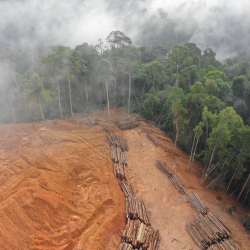 This project focuses on conserving the Gran Chaco, South America’s second-largest forest, which faces rapid deforestation due to cattle ranching and soybean cultivation.