
As part of our Climate Positive Leasing Service, Each time we lease a car or van, we contribute to Verified Carbon Standard (VCS) and Gold Standard carbon reduction projects to offset the carbon produced during the vehicle's manufacturing process. Additionally, for every electric vehicle leased, we plant 100 trees in the Lease Electric Forest, which helps remove approximately 30 tonnes of CO2 from the atmosphere for each tree.
Lease Electric has have funded various efforts aimed at renewable energy, deforestation prevention, wetland restoration, and communities around the world. To date, we have contributed to the planting of 26,538 trees and has invested in 51 projects, leading to the avoidance of 6,157.78 tonnes of CO2e. This is equivalent to 4,725 long haul flights (London to San Francisco).
February's Impact
Trees Funded
In February, Lease Electric funded the planting of trees in both Kenya and Madagascar.
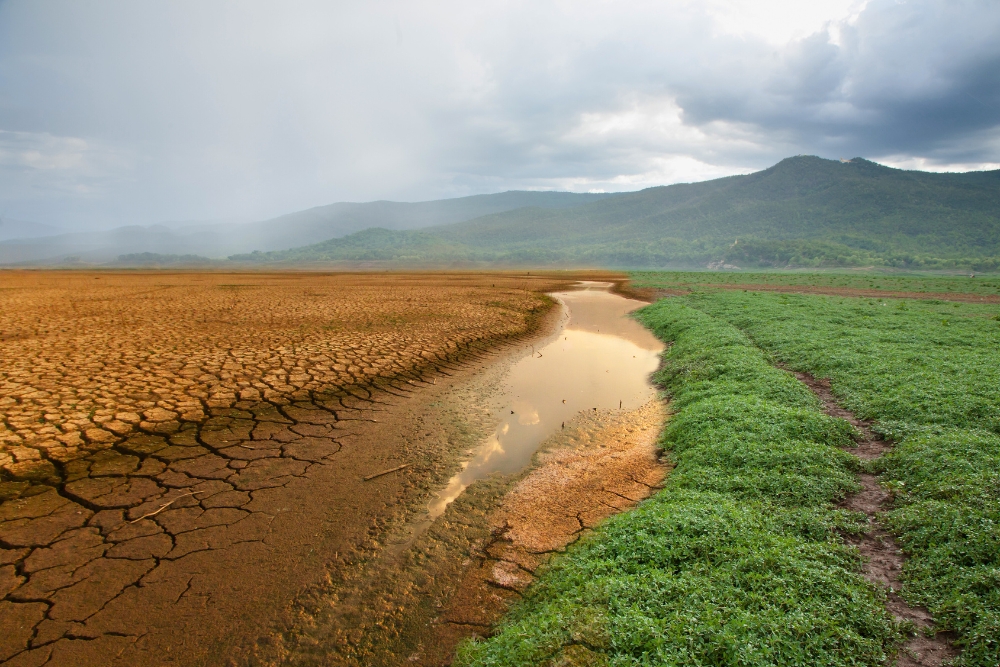
Residents in the Mau Region in Kenya encounter various challenges, such as limited access to fresh water, poor road infrastructure, and insufficient educational facilities. Since the 1970s, deforestation in this region, due to agriculture, charcoal production, and livestock farming, has resulted in considerable land degradation.
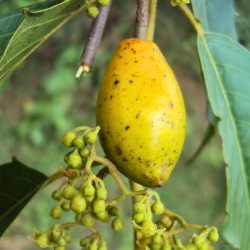
Among the trees Lease Electric funded in Febrauary, were Lemon trees and Loquat trees which bear edible fruits. We also funded Maesopsis Eminii (Umbrella Tree), often grown to provide shade for crops and as a source of timber, frequently used for roofing materials. Seeds from the Maesopsis Eminii contain an edible oil and the bark is popular for its medicinal properties.
Find out more about this project
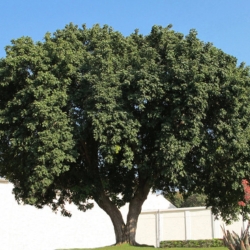
We also planted Natal Mahogony (Trichilia Emetica) in Kakamega County. Natal Mahogony is planted to provide shade, but is an important multipurpose tree, known for its medicinal properties and edible fruits (once the poisonous seedcoat is removed).
The project aims to rehabilitate the degraded Illoro forest block in Kakamega Tropical rainforest by replanting African wild tree species and involving local communities. Kakamega Forest, Kenya's only tropical rainforest remnant, is part of the Guineo-Congolian lowland rainforest belt and classified as a Key Biodiversity Area (KBA).
The forest is critical for biodiversity, hosting 367 bird species, between 10 to 20% of the animal species in the forest are nationally unique. The forest contains 380 recorded plant species, 40 of which are medicinal plant species used by locals. It is also a vital water catchment area feeding into Lake Victoria and the Nile Basin.
Find out more about this project
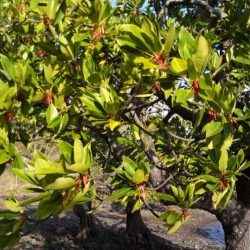
Madagascar, an island nation in the Indian Ocean, which is consider a biodiversity 'hotspot' with over 90% of the island's wildlife found no where else in the wolrd. However, extensive destruction of its native forests has displaced various animal species and negatively impacted local agriculture. The loss of mangrove estuaries has led to soil erosion and heightened risks of coastal flooding. Mangroves are crucial for carbon absorption and storm protection, thriving in tropical areas while enhancing coastal resilience and providing vital habitats for marine life.
Project Supported
In February, Lease Electric also contirbuted towards Protection of the Matavén forest in eastern Colombia, verified by the Verified Carbon Standard. 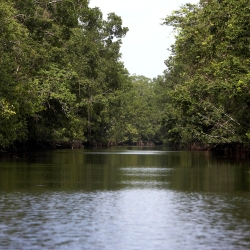
Colombia, known for its biodiversity, holds about 10% of the world's species, with the Vichada department facing challenges like deforestation. From 1990 to 2005, it lost 500,000 hectares of forest. The Matavén REDD+ project protects over 1.15 million hectares of tropical forest, preventing emissions and providing sustainable livelihoods for local farmers. Nearly 16,000 Indigenous people benefit from initiatives that include education, healthcare, and food security. The project, certified by Verra’s Climate, Community and Biodiversity Standard, supports biodiversity conservation while benefiting the local community.
Find out more about this project
February also allowed Lease Electric to contribute towards a project that is working to Avoid methane emissions from Landfill in Brazil, verified by the Verified Carbon Standard. 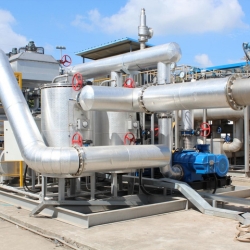
Brazil is the 5th largest waste producer globally, generating 79.9 million tonnes of municipal solid waste in 2015, equating to 1.071 kg per person daily. Most waste ends up in landfills, releasing methane, a potent greenhouse gas.
The Macaúbas Landfill Gas Project aims to capture and manage landfill gas emissions from the "Central de Tratamento de Resíduos Macaúbas" in Sabará, Minas Gerais. It involves installing systems for active landfill gas extraction, flaring, and electricity generation. Previously, gas was collected passively, necessitating further investment for enhanced collection and proper flaring.
The project has achieved emission reductions of 102,580 tCO₂e, preventing methane release and generating electricity for the grid, while also creating jobs for qualified operators.
Click here to visit the Lease Electric Forest to find out more about the Projects we support