

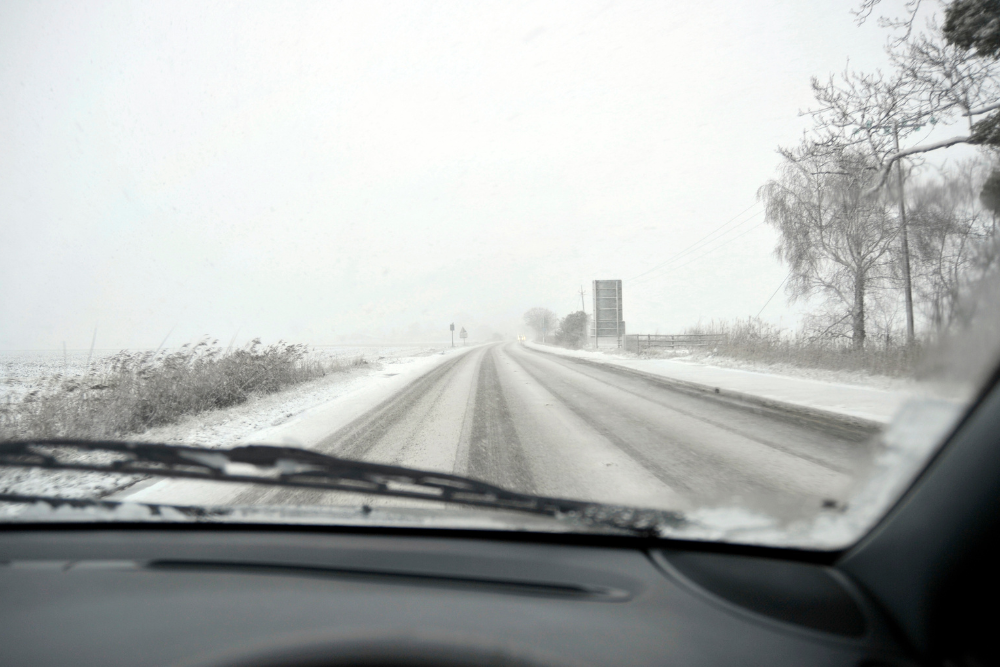
Winter driving in the UK isn’t just about snow and ice. Shorter days, heavy rain, flooding, and unpredictable traffic all combine to make journeys more challenging at this time of year. Whether you’re commuting, travelling for Christmas, or heading out on longer trips, taking time to prepare your vehicle and plan ahead can help keep you safe and reduce stress on the road.
Prepare Your Vehicle Before You Travel
Cold, wet weather can put extra strain on your car, so basic checks are essential. Make sure your lights are clean and fully working, as visibility is often reduced by fog, rain, and early darkness. Check windscreen wipers for wear and top up screen wash with a winter-grade fluid to prevent freezing. Keeping your battery charged / topped up and pre condition your vehicle before you set off.
Tyre Care and Winter Grip
Your tyres are your only point of contact with the road, making them especially important during winter. Check tyre pressure regularly, as cold temperatures can cause it to drop, affecting handling and braking. Tread depth should be well above the legal minimum of 1.6mm, experts recommend at least 3mm in winter conditions for better grip on wet roads. Worn tyres increase the risk of aquaplaning and significantly lengthen stopping distances.
Plan for Traffic and Delays
Winter weather, roadworks, and seasonal travel can all lead to congestion and unexpected delays. Check weather forecasts and traffic updates before setting off, and allow extra time for your journey. Having a charged mobile phone, warm clothing and essentials such as water and snacks can be invaluable if you’re delayed for longer than expected.
Adjust Your Driving Style
Smooth, steady driving is key in winter. Brake earlier, accelerate gently, and take corners more slowly to maintain control on slippery or wet surfaces. Be especially cautious on bridges, country roads, and shaded areas, which can remain damp or icy even when the rest of the road appears clear.
Weather
Snow and Black Ice
Snow and black ice can make UK roads extremely hazardous, as they significantly reduce tyre grip and increase stopping distances. Black ice is particularly dangerous because it is often invisible, forming when temperatures drop near or below freezing, especially on bridges, shaded roads, and rural routes. UK driving guidance advises motorists to avoid unnecessary journeys in severe winter conditions, reduce speed, increase following distance and brake gently to avoid skidding.
RAC - Driving on ice.
Fog and Mist
Flooding and Aquaplaning
While black ice and snow are hazardous, it’s important to remember that heavy rain and surface water are also common winter dangers on UK roads. Reduce your speed in wet / icy conditions and increase the distance between you and the vehicle ahead. If you drive through standing water too quickly, you risk aquaplaning, where your tyres lose contact with the road. If this happens, ease off the accelerator, avoid harsh braking, and steer gently until control returns. Never attempt to drive through deep or fast-moving floodwater, it can be deeper than it appears and may cause serious damage to your vehicle.
RAC - Understanding Aquaplaning.
Low Winter Sun
Low winter sun can be a significant hazard for UK drivers, particularly during early morning and late afternoon when glare can severely reduce visibility. UK driving guidance recommends slowing down, increasing following distance, and using sun visors or sunglasses to reduce glare. Drivers should ensure windscreens are clean inside and out, as dirt and smears can worsen the effects of sun glare, and be especially cautious at junctions, pedestrian crossings, and when approaching other road users.
Kwik Fit - Driving in Low Sun.
Be Winter-Ready
Winter driving in the UK is often unpredictable, but preparation makes all the difference. By checking your vehicle, looking after your tyres, planning ahead, and adapting your driving to the conditions, you can help ensure safer and more comfortable journeys throughout the colder months.
Before setting off, performing a few basic maintenance checks on your electric vehicle (EV) can be the deciding factor in reaching your holiday spot without any hitches or being stranded on the roadside
- Ensure you have Roadside Assistance / Recovery: make a note of contact details, policy numbers etc.
- Inspect tyres: ensure all four tyres are in good condition, have adequate tread depth and are inflated to the correct pressure (it is also important to check your spare, the reinflation kit and that you have your car jack and locking wheel nut key).
- Check water: keep your water / screen wash topped up so you can clear debris and dirt from your windscreen.
- Examine wipers: replace your windscreen wipers if they are no longer clearing your windscreen effectively.
- Check lights: replace any bulbs in your indicators, hazards lights, headlights, fog lights, reverse lights or brake lights if necessary.
- Check charge: ensure you have sufficient charge to reach your destination or the planned charging point along the way.